
Thanksgiving is more than just a holiday for eating turkey; it’s a time rich with history, culture, and social-emotional learning opportunities. Recognizing and discussing Thanksgiving traditions in an educational setting, whether that be a classroom or homeschool, is incredibly important for creating a well-rounded and inclusive educational experience. Here’s why integrating these traditions into the curriculum benefits students:
Why Thanksgiving Traditions Matter in the Classroom
Thanksgiving is more than just a holiday for eating turkey; it’s a time rich with history, culture, and social-emotional learning opportunities. Recognizing and discussing Thanksgiving traditions in school is incredibly important for creating a well-rounded and inclusive student experience.
1. Promoting Cultural Awareness and History
While focusing on the traditional narrative of the 1621 feast, teachers can introduce the broader history of Native American tribes, the challenges faced by early settlers, and the evolving nature of the holiday. This encourages critical thinking about historical events and perspectives. Ideas to incorporate this into your classroom include:
- Reading library books or have an Internet scavenger hunt for facts about the Native Americans that inhabited the Massachusetts area prior to the arrival of the European colonists.
- Research what the first Thanksgiving celebration was like, including who was there, when and where it took place, how long it lasted, activities during the celebration, and what foods were eaten.
- Create a presentation comparing and contrasting the first Thanksgiving with current Thanksgiving celebrations. Include the date when Thanksgiving became a nationally recognized holiday.
2. Fostering Social-Emotional Growth
Thanksgiving provides an ideal platform to teach and review core values:
- Gratitude and Empathy: Focusing on the meaning of gratitude encourages students to recognize and appreciate the good things and people in their lives. This practice is scientifically linked to increased happiness and reduced stress. Ideas for incorporating thankfulness include a personal gratitude journal to write in daily or a “What I am Thankful For” display such as a banner, centerpiece, or tablecloth where others can participate and display at the Thanksgiving celebration.
- Community and Family: Many traditions center on gathering and sharing. Discussing this reinforces the importance of community, family bonds, and collaboration, skills that are vital for a healthy school environment. One of our favorite books to read is Cranberry Thanksgiving and then make cranberry bread (recipe is included in the back of the book). The book can usually be found at the local library.
3. Enhancing Educational Connections
The holiday’s themes offer natural connections to various subjects, making learning more relatable and engaging.
- Literature and Storytelling: Reading books or stories about Thanksgiving traditions from different viewpoints—including Native American stories, immigrant experiences, and modern family traditions—can significantly boost literacy skills and comprehension. This goes hand-in-hand with earlier suggestions for reading books on history or community aspects of Thanksgiving celebrations.
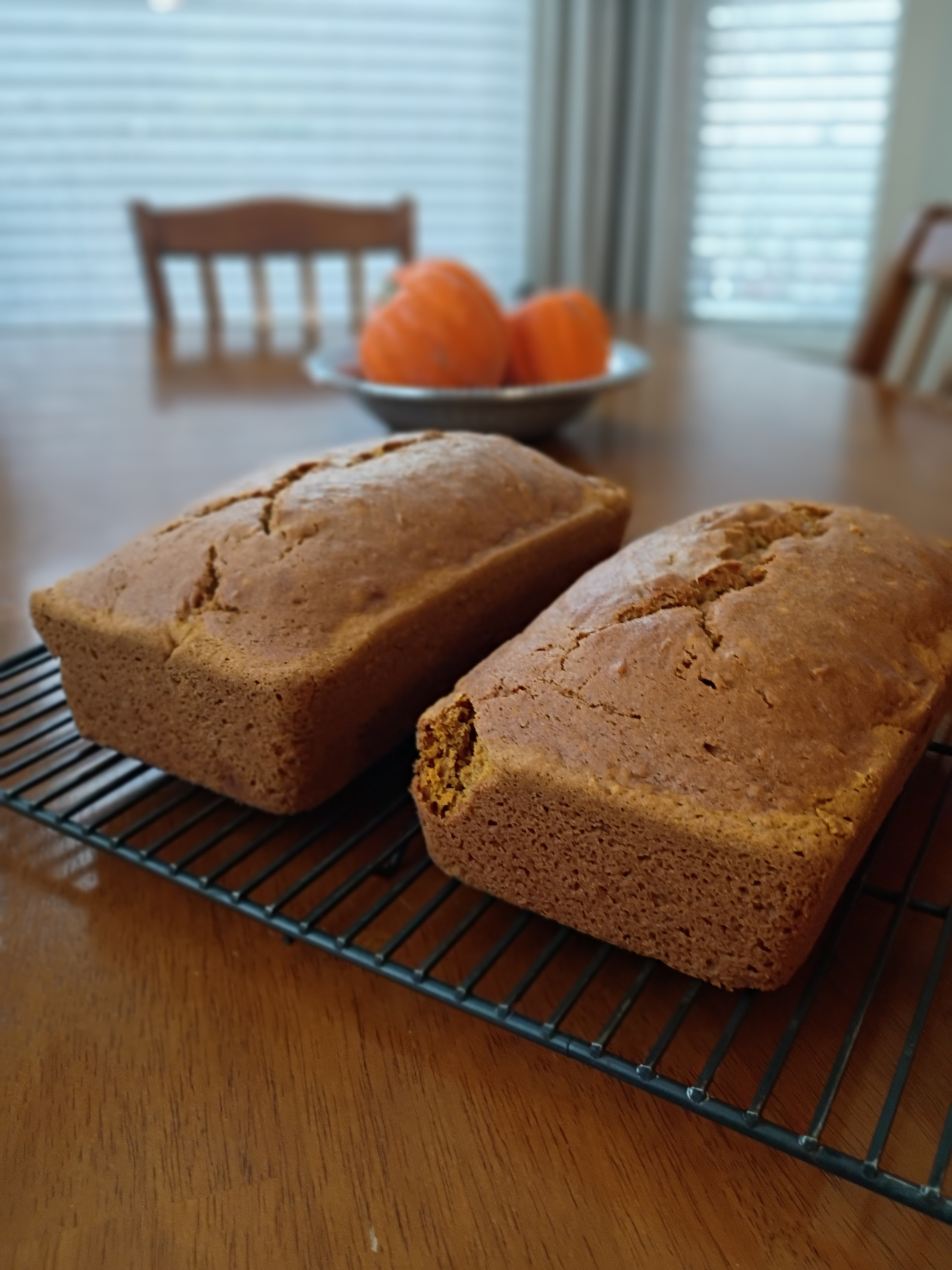
- Math and Science: Preparing traditional dishes can lead to lessons in measurement and fractions. One of our favorites is to prepare cranberry sauce and pumpkin bread, as these recipes are often doubled to feed a crowd. If you can the cranberry sauce, there is a lesson in biology, too! Cooking with children when they are young also fosters independence and confidence.
- Arts and Crafts: Creating Thanksgiving-themed art, like cornucopias or hand turkeys, encourages creativity and offers a hands-on way to engage with the holiday’s symbols. Older students can sew aprons, hot pads, create unique name cards for place settings, or arrange centerpiece displays. The creations are also wonderful decorations and mementos to keep and display year after year.
By planning and incorporating Thanksgiving activities and traditions into our homeschool or classroom environment, we do more than simply acknowledge a holiday. We cultivate an educational space where our history is examined, our diversity is celebrated, and character is built. It’s an opportunity to pause, reflect, and practice the fundamental value of family, friendship, community, and thankfulness.


 North Star Homeschool Resources