

(This post contains an Amazon Affiliate link)
My high school senior is at our local community college right now in her Intro to Psychology class. She is also enrolled in College Algebra and Art Appreciation. This is the first year when she has taken more than on dual credit class in a semester. Looking back on her dual credit journey, I would like to share some tips that we have picked up along the way.
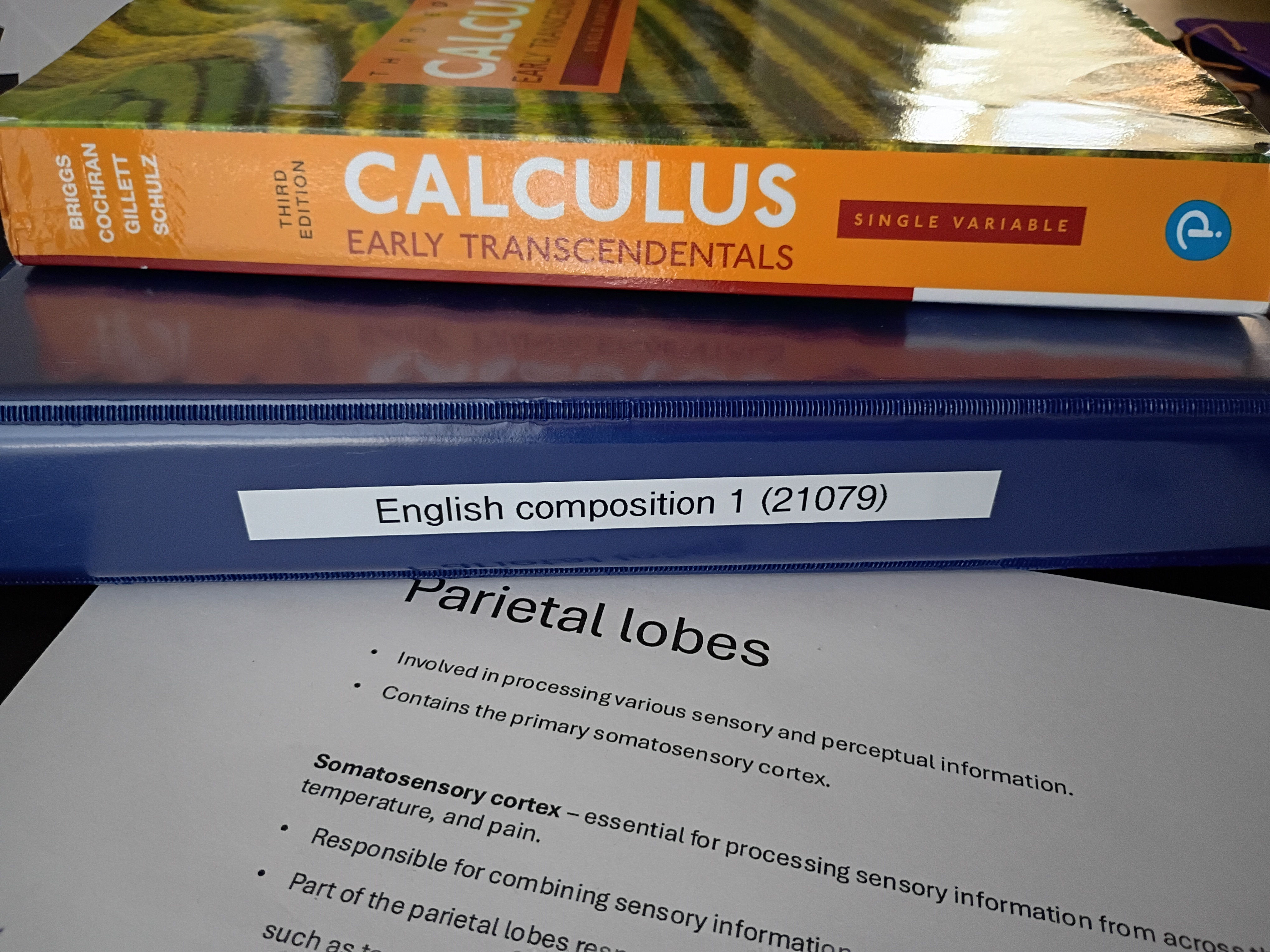
- Getting started: Do a search on your local community college’s website for information on dual credit. Look for what test scores are needed. Find the contact person’s information. Locate the forms and gather needed documents. Since we live in Texas, our local community college requires high school students to pass the TSI exam or have certain SAT or ACT scores. The TSI required particular forms of ID, so we chose to obtain state IDs for our two high school students. This took some time, as well as the application and setting up student accounts and school email, so plan to get everything together and tests taken before the start of the term registration dates.
- Communication with the school: It is highly likely that the college’s advisor wants to speak directly to the student, not to mom. Professors will only speak to the students, usually only in person or through college email. Much of the registration for classes took place online, however the dual credit advisor did require the students to email their courses for approval before lifting their registration holds for the semester. Policies vary by college, so check those policies ahead of time to avoid frustration. Also, coach your student through proper email etiquette and glance over emails before they hit send.
- Pay attention to important dates: Check out the calendar for your student’s college and mark those dates on your personal calendar. Note the dates for registration, and register as early as possible for best selection. Also, I personally look up the professors on Rate My Professor when helping my kids choose classes. Registering early gives your student the best shot at getting in with the higher rated professors. Also note the due dates for tuition to avoid getting dropped from classes. Purchase necessary textbooks listed on the professor’s syllabus. Make note of the withdraw and drop dates in case a class is not working out. Waiting too late can leave a student with a permanent bad grade on their college transcript. Also, have your student make note of all test dates and coach them on starting to study well in advance of those dates.
- Check out the campus resources: Taking a campus tour is the fastest way to learn about everything the campus has to offer students. Personally, I had my kids take the “intro to college” class, called EDUC 1300, as their first dual credit class. They learned how to navigate the online system for their course where the professor posts announcements, assignments are submitted, and grades are posted. On campus resources such as the tutoring lab, library, career placement assistance, and student food pantry were covered in detail with tours and guest speakers. Also have your student meet with an advisor and start planning their college path, whether it is exploration of majors, obtaining an associates degree or certification, or preparing to transfer to a four-year university. Again, it pays to not wait until the last minute.
- Hold their hand: Navigating college is hard at any age. High school students may need extra guidance. Help them organize their physical class materials into binders and their online materials into desktop folders. Help them set up a physical or digital calendar to keep track of due dates and schedule regular study time to complete assignments. Keep track of their grades and encourage them to talk to professors or attend tutoring if they are struggling. Make sure they are getting to campus with plenty of time to get to class. Coach them into being prepared for the day, with laptop and charger, water bottle, and a lunch or snack if they are there for multiple classes. As homeschool parents, we cease being the teacher when they enroll in a dual credit class, and we step into the guidance counselor role.
Lastly, let me add that dual credit classes are not for everyone. My oldest two kids started in different grades and have taken different classes. My youngest is a high school freshman, and if she starts dual credit next year it will definitely be with the “intro to college” EDUC 1300 class. Dual credit can be an excellent way to slowly start their college journey at an affordable price, IF your student is ready. There are other options, such as CLEP exams, where your student can also earn college credit while still in high school. I highly recommend this book, Homeschooling for College Credit, for parents wanting to learn more on the topic.


 North Star Homeschool Resources