

Kids love candy. I learned early in my teaching career that if candy was involved, there was engagement. Even if the candy was not consumed, it was familiar and fun. Using candy to build models in science automatically engages student interest, but it also engages higher order thinking skills. When using models, students have to analyze the model and what the parts represents. They get creative, using their imaginations to connect real world structures and processes to symbolistic pieces. Students also recognize the limits of the model as compared to the real world phenomena, and can be asked to explain how to improve the model.
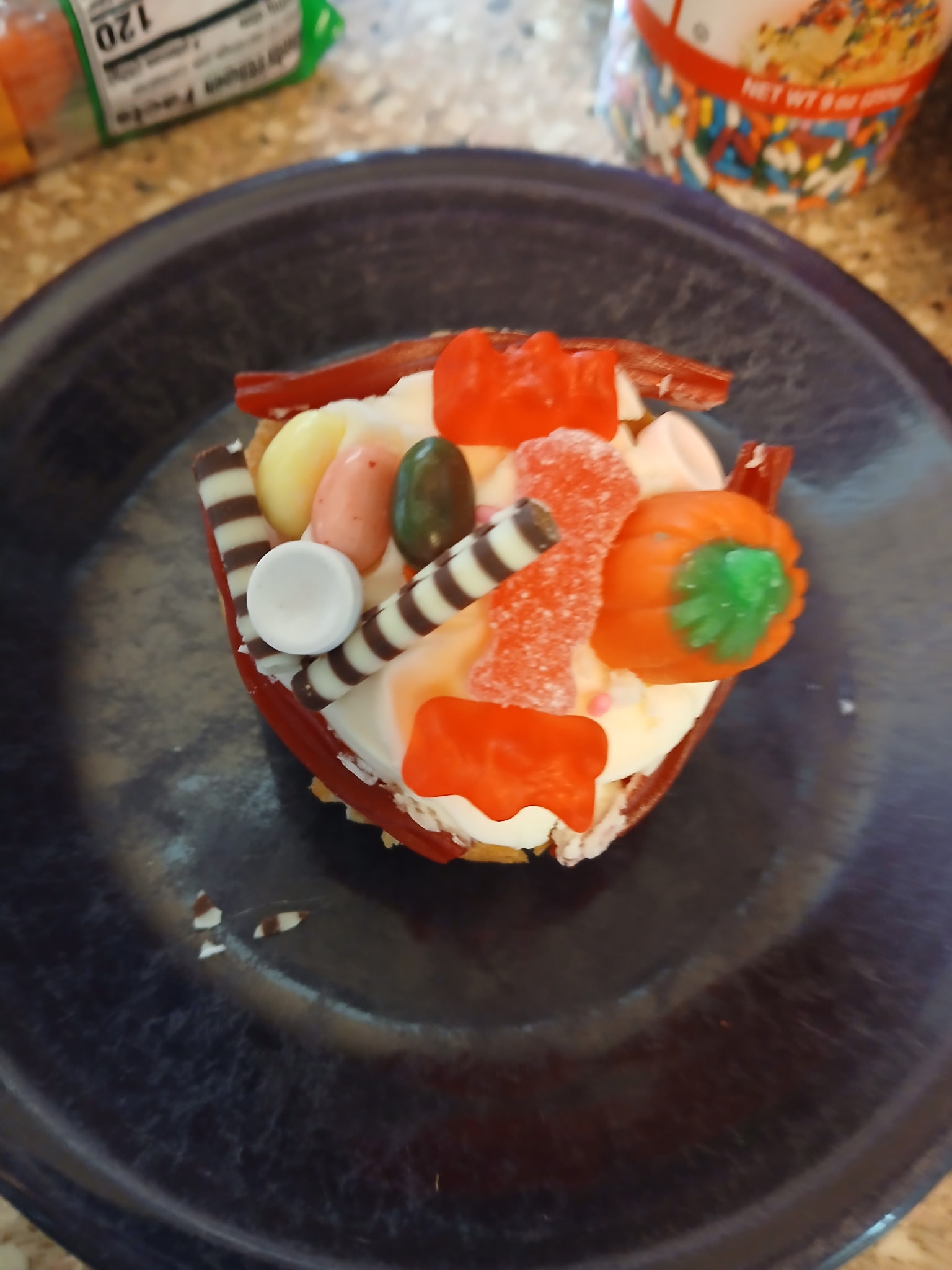
How do I use candy in biology class to make models? Let us start with something small, too small to see with the naked eye, and something that students are responsible for knowing the structure: cells. The organelles of cells are many, and have specific functions. Rather than a coloring sheet or vocabulary page, have students build their own model and draw it. Give them a canvas such as a flat iced cookie or cupcake, and a selection of small, colorful candies. Have them describe why they chose that candy and what it represents. After they build and document their model, they get the reward of consuming it, if desired.
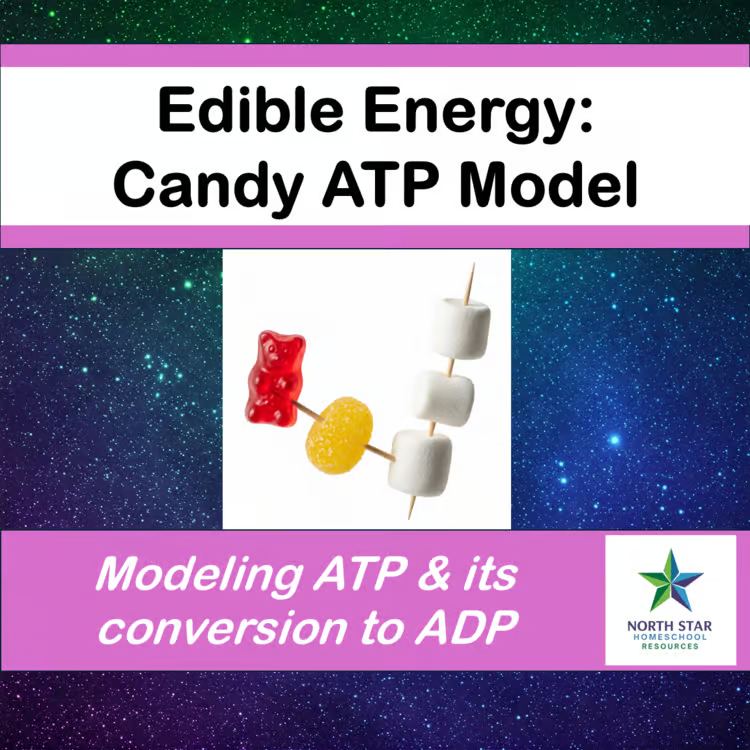
Need guidance or more ideas for building edible models in biology? I have a few…
Candy Cells: A Delicious Model
Osmosis Lab: Growing Gummy Bears
Edible Energy: Candy ATP Model
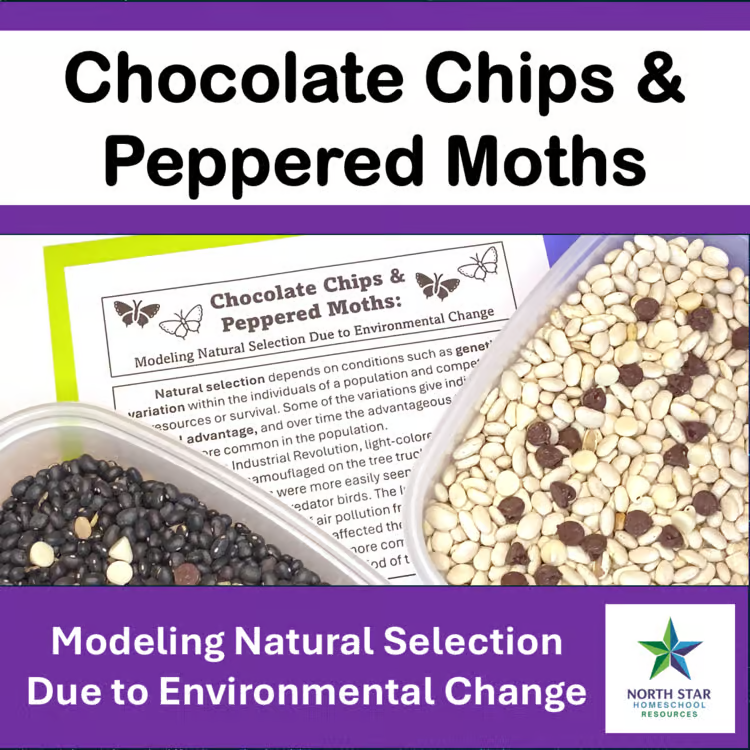
Chocolate Chips and Peppered Moths
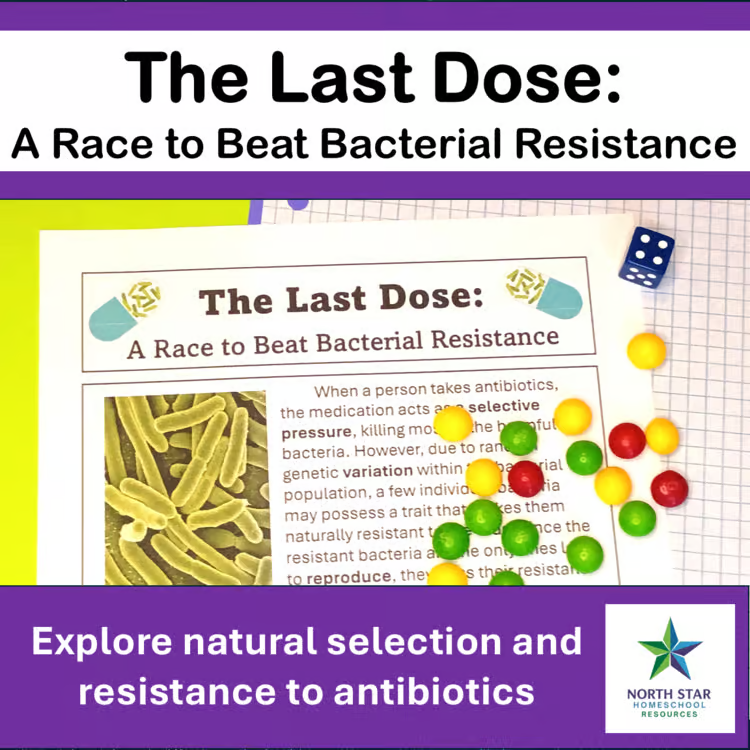
The Last Dose: A Race to Beat Antibiotic Resistance
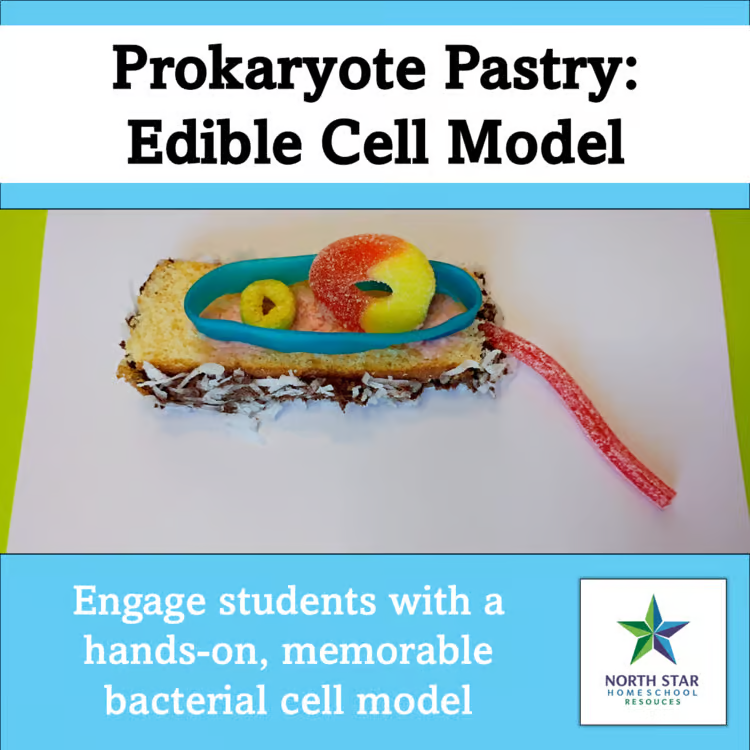
Prokaryote Pastry: An Edible Cell Model
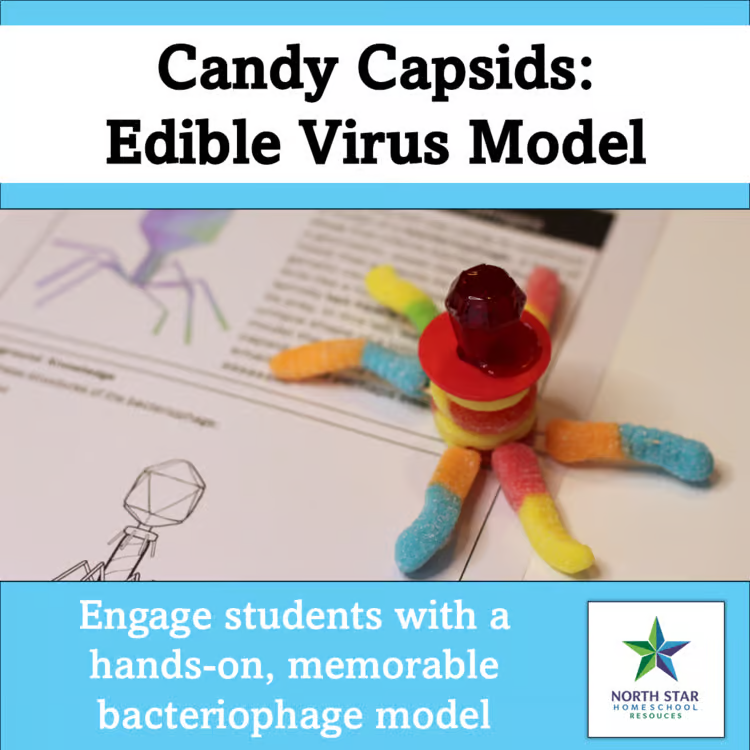
Candy Capsids: Edible Virus Model
Two warnings, though: check for student allergies and do not leave the edible models out overnight (pests will find them). Substitutions for students with allergies are usually pretty easy to find or come up with an alternative. For example, provide gluten free cupcakes for those select students, or use a simple cardstock circle with frosting it instead of cupcakes for all of the students (this might be the most economical choice if you have a large number of kiddos). Models can be photographed and then eaten or thrown away. Please do not leave them out on display overnight; the pests will find them.
Make sure students begin with clean hands and workspaces if the model will be consumed. There will need to be a way to wash hands and wipe off workspaces afterwards, as well. I also suggest keeping an eye out for candy and sprinkles that go on clearance after holidays. Lastly, have fun and take lots of pictures to document the project. Print the images and have students keep them in their binders, labeling the structures on the page if desired. Believe me, they will remember these lessons, well.


 North Star Homeschool Resources